
Kopel Bhd
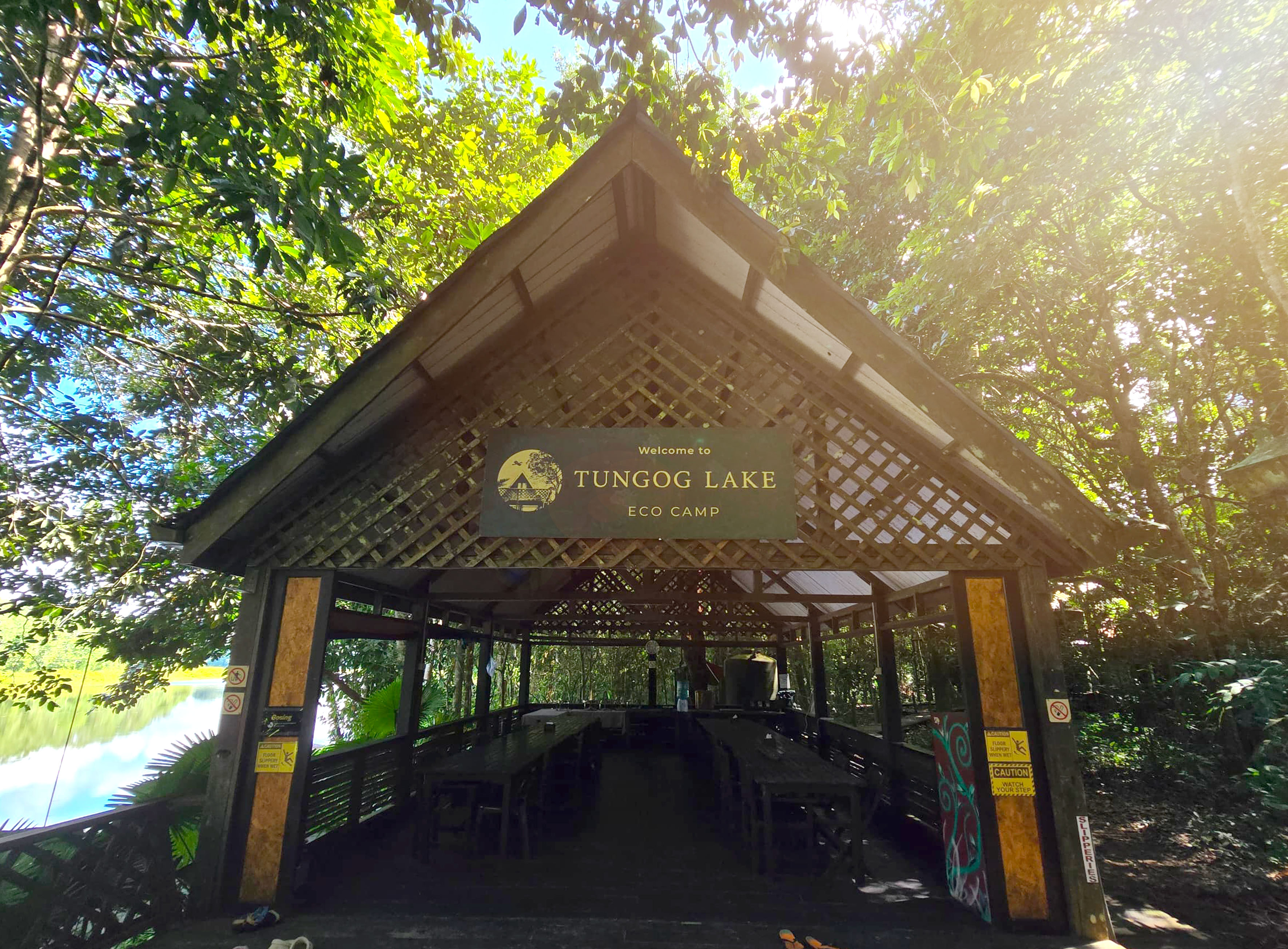
Kopel BhdFor millennia, the indigenous Orang Sungai people of the Lower Kinabatangan have been living off the rainforest for food, medicine, household goods and products of trade. This world changed dramatically from the 1960's onwards, with the advent of large machines (bull dozers) that could extract the forest’s gigantic trees. The ensuing reduction of traditional forest resources forced many local people into a spiralling trap of dependence on lumber as the only remaining viable source of trade and livelihood. For an era, this progressed through the 70s and 80s. The ultimate demise of the forest and forest dependent life ended with the conversion of large tracts of lowland forests, of the Lower Kinabatangan throughout the 1980s, into permanent agricultural land. People with land were fortunate but driven to abandon their traditional farming and adopt commodity crops to survive. Those without land were forced to eke out an existence on available resources or look for alternative livelihoods to survive. As luck or misfortune may have it, the community of Batu Puteh, Kinabatangan ended up surrounded by a protected forest reserve – the Pin-Supu Forest Reserve. Forest reserves such as Pin-Supu were protected during the big carve-up of the eastern lowlands for agriculture in the early 80s. These reserves were protected partly to provide habitat for swiftlets that make edible nests in the limestone karsts within these forests, partly because the surrounding swamp forests were not suitable for farming, and partly due to the immense biodiversity in these areas. In this age of dramatic socio-cultural transformation, local people were forced to adapt, and a group of 30 visionary individuals from the different villages of Batu Puteh came together to create an alternative pathway - a pathway called ecotourism. This dedicated group formed what was called the MESCOT Initiative starting in 1996. Their aim was simple. To learn, to upskill, and to plan what was necessary to initiate an ecologically sustainable tourism venture, and through this generate income for the people of the area and protect the last remaining vestige of rainforest and traditional cultural heritage in their area.